
Start with the Exam Framework
Understand the UPPSC scheme, the latest High Court position, the official syllabus and the Prelims-to-Interview structure before building a study plan.
Understand the Exam →Prepare for the UPPSC Assistant Prosecution Officer (UP APO) recruitment, Advt. No. A-8/E-1/2025, with the Prelims and Mains scheme, BNS, BNSS, BSA, the U.P. Police Act, the 16 Other Laws, Hindi and English papers and Interview preparation.
Preparation Roadmap · UPPSC Updates · DLM Resources
🔒 Your details are used only for preparation resources and relevant exam updates.
| Exam | Uttar Pradesh Assistant Prosecution Officer (UP APO) Examination-2025, being held in 2026 |
| Conducting Body | Uttar Pradesh Public Service Commission (UPPSC), Prayagraj |
| Advertisement No. | A-8/E-1/2025 — short notice 13 September 2025; detailed advertisement 16 September 2025 |
| Post | Assistant Prosecution Officer (Group B, Gazetted) under the U.P. Prosecuting Officers Service Rules, 1991 |
| Vacancies | 182 posts: Unreserved 27, SC 67, ST 9, OBC 61, EWS 18; horizontal reservation: Women 36, Ex-Servicemen 9, Persons with Disabilities 7, Dependants of Freedom Fighters 3 (subject to change as per requirements) |
| Pay Scale | Level-8: ₹47,600 – ₹1,51,100 |
| Qualification | LL.B. degree from a recognised university, held by the last date of application |
| Age Limit | 21 to 40 years as on 1 July 2025 (born between 2 July 1985 and 1 July 2004), with relaxations as per the advertisement |
| Application Fee | ₹125 (General / OBC / EWS), ₹65 (SC / ST and Ex-Servicemen), ₹25 (Persons with Disabilities) |
| Selection Structure | Preliminary Examination → Main Written Examination → Interview (Personality Test) |
| Prelims | One objective paper, 150 questions, 150 marks, 2 hours: General Knowledge (50) + Law (100); negative marking of one-third (0.33) per wrong answer; screening only |
| Mains Written | General Hindi 100 + General English 50 + General Knowledge 50 + Criminal Law & Procedure 100 + Law of Evidence 100 + Other Laws 100 = 500 marks |
| Interview | 50 marks; final merit is Mains (500) plus Interview (50) = 550 marks. Minimum standard: 40% (35% for SC / ST) |
| Criminal Laws | BNS 2023, BNSS 2023 and BSA 2023 form the working framework for Prelims and Mains |
| Current Status | Prelims held 22 March 2026 and Mains held 28–30 June 2026; on 25 November 2026 the Allahabad High Court quashed the Prelims result and directed a revised result and fresh Mains |
Your next step depends on whether you are building the foundation, testing your readiness or looking for complete guided preparation.
Understand the UPPSC scheme, the latest High Court position, the official syllabus and the Prelims-to-Interview structure before building a study plan.
Understand the Exam →Use DLM’s active test-series catalogue for objective-law practice, accuracy building and revision discipline, with negative marking in mind.
Explore Test Practice →Choose structured guidance if you want integrated Prelims, Mains and Interview preparation with Bare Act, concept and case-law support.
Compare Preparation Options →You can begin with free resources and current exam information before deciding whether you need a paid course.
The Allahabad High Court has quashed the Prelims result of the UP APO Examination-2025 (Advt. A-8/E-1/2025) and directed UPPSC to hold the Mains examination afresh. In Pankaj Verma and Others v. State of U.P. (Writ-A No. 9155 of 2026), Justice Manish Kumar Nigam held that reserved-category candidates who score above the last unreserved candidate belong in the unreserved list from the Prelims stage onward, not only at final selection.
The Court quashed the Prelims result declared on 30 April 2026 and UPPSC’s Office Memorandum dated 9 January 2020. UPPSC is to redraw the Prelims merit list, hold the Mains on the revised result and then proceed with selection. The Mains had been held on 28–30 June 2026, and the Court had stayed the declaration of the result on 28 September 2026 while interviews were under way.
Key dates for the UPPSC APO recruitment (Advt. A-8/E-1/2025). Dates that depend on the High Court directions will be added as UPPSC announces them.
| Recruitment Event | Status / Date |
|---|---|
| Short Notification Published | 13 September 2025 |
| Detailed Advertisement Published | 16 September 2025 |
| Number of Vacancies | 182 |
| Online Application Window | 16 September – 16 October 2025 |
| Last Date for Fee Payment | 16 October 2025 |
| Application Correction / Fee Reconciliation | Till 24 October 2025 |
| Preliminary Examination | 22 March 2026 |
| Prelims Result (declared) | 30 April 2026 — 2,856 candidates declared qualified; quashed by the High Court on 25 November 2026 |
| Main Examination (held) | 28 – 30 June 2026 |
| Interviews | Commenced; declaration of the result stayed by the High Court on 28 September 2026 |
| High Court Judgment | 25 November 2026 — revised Prelims result and fresh Mains directed |
| Revised Prelims Result | To Be Notified |
| Fresh Main Examination | To Be Notified |
| Interview and Final Result | To Be Notified |
Stay ready for the revised schedule. Get the free UP APO eBook and UPPSC update alerts.
Get Free eBook →Eligibility is governed by the U.P. Prosecuting Officers Service Rules, 1991 and the conditions of the UPPSC advertisement A-8/E-1/2025.
The candidate must hold a Bachelor of Laws (LL.B.) degree from a recognised university on or before the last date of application. The post is Group B (Gazetted) under the U.P. Prosecuting Officers Service Rules, 1991, as amended.
UPPSC published Advt. A-8/E-1/2025 for 182 Assistant Prosecution Officer posts.
One 150-mark objective paper; the result was declared on 30 April 2026.
Six descriptive papers of 500 marks, followed by interviews.
Prelims result quashed; revised result and a fresh Mains directed.
Minimum 21 years, maximum 40 years as on 1 July 2025: born between 2 July 1985 and 1 July 2004.
Checked your eligibility? Get the free UP APO strategy eBook next.
Get Free eBook →The UPPSC framework combines an objective screening test, descriptive law and language papers and a final Personality Test.
One objective paper of 150 marks: General Knowledge (50 questions) and Law (100 questions), 2 hours. Candidates numbering 15 times the vacancies are declared successful for the Mains. Prelims marks are not added to final merit.
Six descriptive papers of 500 marks: General Hindi, General English, General Knowledge, Criminal Law and Procedure, Law of Evidence and Other Laws.
50 marks. Candidates numbering three times the vacancies are called for the Interview after the Mains. Suitability for the post is assessed through personality, legal awareness, communication and understanding of prosecution work.
The final merit list is prepared on Mains marks (500) plus Interview marks (50). The minimum standard is 40% (35% for SC / ST).
Use the free UP APO eBook to build a clear Prelims-to-Interview preparation roadmap.
The UPPSC APO Preliminary Examination is one objective paper (multiple choice) of 150 marks with one-third negative marking: General Knowledge (50 questions) and Law (100 questions).
| Part | Subject | Questions / Marks | Duration | Marking Position |
|---|---|---|---|---|
| Part I | General Knowledge | 50 questions · 50 marks | 2 Hours (single paper) | Objective MCQs; negative marking applies |
| Part II | Law | 100 questions · 100 marks | 2 Hours (single paper) | Objective MCQs; negative marking applies |
| Total | One Objective Paper | 150 questions · 150 marks | 2 Hours | ⅓ (0.33) deducted per wrong answer |
Pattern note: each question has four options. One-third (0.33) of the marks for that question is deducted for every wrong answer, and an unattempted question carries no penalty. Prelims is a screening stage: the minimum standard is 40% (35% for SC / ST), and Prelims marks are not added to final merit.
Law carries two-thirds of the Prelims marks, and five subjects share it: BNS (30), BNSS (25), BSA (20), the U.P. Police Act and Regulations (15) and the Constitution (10). Accuracy must be built in both parts, with negative marking in mind.
Part I — General Knowledge (50 questions): General Science (8), Current Events of National and International Importance (10), History of India (8), Indian National Movement (8), Indian Polity and Economy (8), World Geography and Population (8).
Part II — Law (100 questions): Bharatiya Nyaya Sanhita, 2023 (30), Bharatiya Nagarik Suraksha Sanhita, 2023 (25), Bharatiya Sakshya Adhiniyam, 2023 (20), U.P. Police Act and Regulations under it (15) and the Indian Constitution (10).
General Hindi 100 · General English 50 · General Knowledge 50 · Criminal Law and Procedure 100 · Law of Evidence 100 · Other Laws 100 · Interview 50.
The criminal-law papers are based on the new codes. Prepare BNS, BNSS and BSA directly from the Bare Acts, and map older IPC, CrPC and Evidence Act references only for previous-year papers.
Turn this syllabus into a study plan. Get the free UP APO eBook.
Get Free eBook →Part I has 50 questions across six areas. The same General Knowledge syllabus continues into the 50-mark Mains paper, so one integrated revision system serves both stages.
For every important development, record the issue, the governing provision, the court or institution, the recent change and the likely objective-question angle.
Watch Free Resources →Use these expandable topic lists as a preparation checklist for the General Knowledge part.
Law carries two-thirds of the Prelims marks. Preparation should be provision-led, Bare Act focused and supported by MCQs, previous papers and a clear grasp of the new criminal codes.
Bare Act reading → chapter-wise concepts → exceptions and illustrations → important case-law principles → timed MCQs → error-register revision.
Review BNS · BNSS · BSA Strategy →Use these expandable lists as a law-wise checklist while preparing the 100-question Law part.
The Mains stage tests Hindi and English writing, general knowledge, criminal law and procedure, evidence and special laws, followed by a 50-mark Interview. General English and General Knowledge are 1½ hours each; every other paper is 3 hours.
| Paper / Stage | Marks |
|---|---|
| Paper 1 — General Hindi (High School standard) | 100 |
| Paper 2 — General English (High School standard) | 50 |
| Paper 3 — General Knowledge | 50 |
| Paper 4 — Criminal Law & Procedure | 100 |
| Paper 5 — Law of Evidence | 100 |
| Paper 6 — Other Laws | 100 |
| Total Written Mains | 500 |
| Interview (Personality Test) | 50 |
| Final Merit (Mains + Interview) | 550 |
Identify the legal issue before writing statutory provisions and case law.
Use the correct section numbers and statutory language of BNS, BNSS and BSA.
Connect the law to facts, prosecution procedure and likely judicial reasoning.
Use headings, concise propositions, authorities and a clear conclusion.
Each paper tests a different skill. Integrated preparation should begin during the Prelims phase so that legal writing, language practice and procedural application develop steadily.
High School standard. Expect writing and comprehension tasks in Devanagari; accuracy of grammar, vocabulary and expression matters.
High School standard. Practise comprehension, grammar and short written tasks with clarity and correct usage.
Same scope as Prelims Part I: science, current events, history, national movement, polity, economy and world geography, now answered in descriptive form.
Substantive criminal law and criminal procedure under the Bharatiya Nyaya Sanhita and the Bharatiya Nagarik Suraksha Sanhita, with application to prosecution situations.
The Bharatiya Sakshya Adhiniyam: relevancy, proof, witnesses, presumptions and electronic evidence, applied to facts.
Sixteen special and U.P. laws that arise in day-to-day prosecution work, from the Arms Act to the U.P. Gangsters Act. See the full list in the Other Laws section.
The UP APO Mains tests legal explanation and application, not only memory. With a fresh Mains ordered, descriptive practice should start now, alongside your objective-law revision.
Identify the question and the relevant facts precisely.
State the current section, rule and legal principle accurately.
Explain how the provision applies to the given facts.
Finish with a concise, reasoned answer and practise it under timed conditions.
Practise this framework paper by paper using the paper-wise Mains preparation guide above.
The new criminal codes carry 75 of the 100 Prelims law questions and form the core of Mains Papers 4 and 5, so they are the foundation of UP APO preparation.
General principles, punishments, offences, new provisions and IPC↔BNS mapping. 30 Prelims questions.
Investigation, arrest, bail, cognizance, charge, trial, appeal and procedural innovations. 25 Prelims questions.
Relevancy, admissions and confessions, proof, witnesses, presumptions and electronic evidence. 20 Prelims questions.
Paper 6 carries 100 marks and covers sixteen special and U.P.-specific Acts that arise daily in prosecution work. Prepare them as a separate track from the general criminal codes.
Download UP APO question papers year-wise, then solve them as a timed preparation tool, not just a reading list.
Get paper-wise trends, recurring high-yield areas, U.P. special-law questions and old-code to BNS / BNSS / BSA mapping, with a practical PYQ strategy for the next cycle.
Explore DLM PYQ & Notes Resources ↗| Year | Stage | Paper | |
|---|---|---|---|
| 2026 | Prelims | Prelims Question Paper — held 22 March 2026 | View PDF |
| 2026 | Prelims | Official answer key and response sheet (released 25 March 2026) | Open on UPPSC |
| Year | Stage | Paper | |
|---|---|---|---|
| 2022 | APO Exam | Question Paper — held 21 August 2022 (English) | View PDF |
| Year | Stage | Paper | |
|---|---|---|---|
| 2020 | APO Exam | Question Paper (English) | View PDF |
| Year | Stage | Paper | |
|---|---|---|---|
| 2018 | APO Exam | Question Paper (Hindi) | View PDF |
| Stage | Date | Pattern |
|---|---|---|
| Prelims | 22 March 2026 | 150 MCQs, 150 marks, 2 hours: General Knowledge 50 + Law 100 |
| Mains | 28 – 30 June 2026 | Six descriptive papers, 500 marks |
| Interview | From September 2026 | Personality Test, 50 marks |
Practise with the papers, then get the free eBook with a revision roadmap.
Get Free eBook →Build your plan around the Commission’s paper-wise syllabus rather than unrelated law notes, and give the U.P. Police Act and the 16 Other Laws their own track.
Checklist for Prelims Parts I–II, the six Mains papers and the Interview.
75 of 100 Prelims law questions come from these codes.
Keep a notebook for the 16 Acts and the U.P. Police Act.
Current events, polity, history and geography in short daily blocks.
Use previous papers and tests to prioritise revision.
Practise structured Mains answers from the start.
150 marks of language and GK in Mains need regular practice.
Track mock errors and weak areas.
Create separate checklists for Prelims Part I and Part II, the six Mains papers and the Interview. Keep marks and question counts in view while planning.
Read the current Bare Acts, connect related provisions and practise accurate section-based MCQs. Compare older-code material carefully with the new laws.
Study the sixteen Acts of Paper 6 and the U.P. Police Act and Regulations as distinct subjects with provision-wise notes.
Keep a short daily slot for current affairs and rotate polity, history, geography and science through the week.
Solve papers under timed conditions and classify errors by subject, statute, recall and interpretation, not just by score. Remember the one-third negative marking.
Write answers with the issue, applicable provisions, reasoning, factual application and a concise conclusion; add weekly timed practice.
Hindi carries 100 marks and English 50. Practise a short piece in each every week.
Keep an error log, short revision sheets and regular timed tests, then convert every finding into a specific revision task.
Use the prescribed syllabus as your checklist and combine Prelims revision with regular Mains practice.
Map the scheme and build a Bare Act timetable.
Combine BNS, BNSS, BSA with the Other Laws.
Use short tests and active recall on every statute.
Practise timed Prelims papers and Mains answers.
Revise weaknesses and check UPPSC notices.
Read the official scheme. Map Prelims, the six Mains papers and the Interview, then build a weekly Bare Act timetable.
Cover BNS, BNSS and BSA first, then the sixteen Other Laws and the U.P. Police Act in a separate revision file.
Test short topic blocks and revisit definitions, exceptions, penalties and procedural steps.
Combine timed objective papers with descriptive answers, Hindi and English practice and a weekly performance review.
Use an error log, concise revision sheets and full-length practice. Re-check the UPPSC notices for the revised schedule before finalising your plan.
See the official syllabus and the previous year papers to plan each stage.
These DLM-owned sessions cover law-exam preparation, interview strategy, the new criminal laws and exam-preparation guidance useful for UP APO candidates.
Preparation journey, Mains experience, self-prepared notes, mock interviews, pressure handling and final-stage strategy.
Interview preparation discussion from the Uttarakhand Judiciary cycle: DAF/profile preparation, core-law revision, recent judgments, communication and judicial-temperament guidance that apply to any state’s Civil Judge interview.
Actual teaching sample by Ashish Jain Sir on mapping the new criminal law with the old code, directly useful for the UP APO Prelims and the Mains criminal-law papers.
A 28-minute Doordarshan discussion on legal-exam strategy and preparation guidance for judicial-service aspirants.
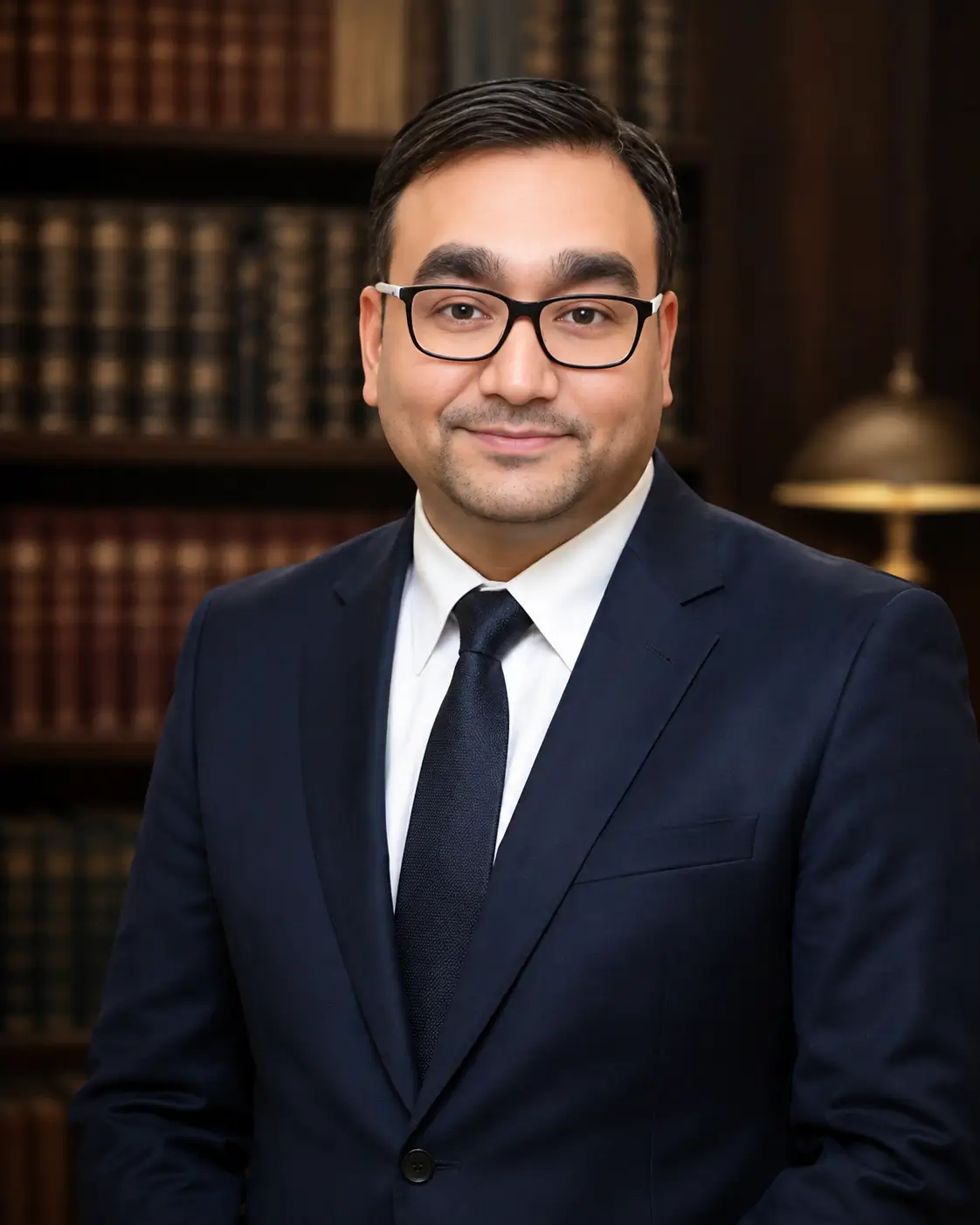
Known for simplifying complex Bare Acts, new criminal laws and examination concepts for Prelims, Mains and Interview preparation.
Use the long-form sessions on our two channels for Bare Act clarity, current legal updates and Judiciary/APO preparation.
Doon Law Mentor combines public-media recognition with state-wise Judiciary and APO exam guidance for law aspirants across India.
Doon Law Mentor’s Founder Ashish Jain Sir has been featured on Doordarshan for legal-exam strategy and preparation guidance.
Doon Law Mentor and Ashish Jain Sir have been featured across public-media, innovation and legal-education platforms.



Meet selected and Mains-qualified APO candidates who have shared their experience of Doon Law Mentor’s structured guidance, interview preparation and personal mentoring.
Hear directly from selected candidates about their preparation approach, Bare Act focus, mock practice, interview experience and the guidance that helped shape their journey.
Published DLM success stories from APO examinations.
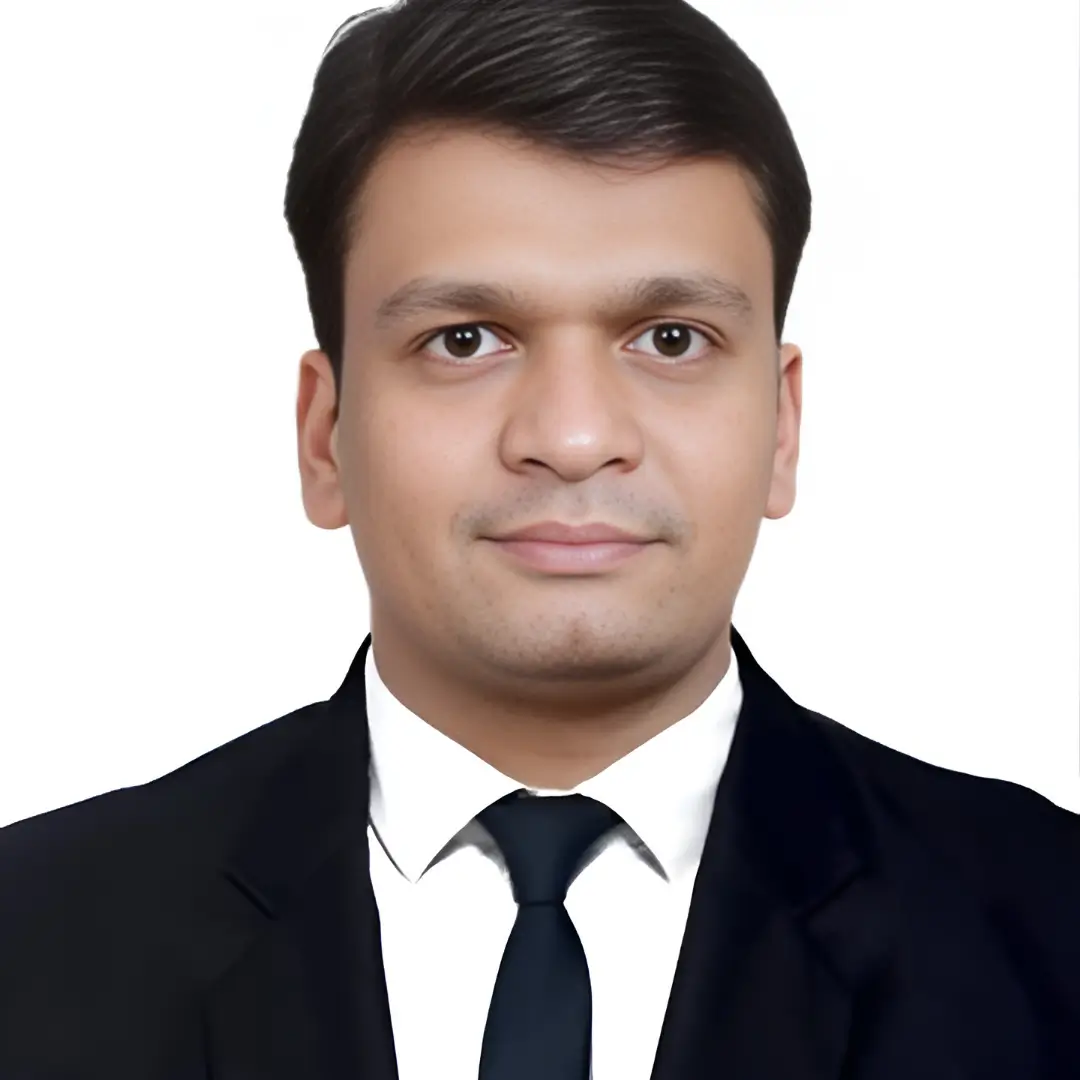 UKAPO · Rank 27
Selected as Assistant Prosecution Officer
“I discovered Doon Law Mentor during my APO preparation. Ashish Jain Sir’s guidance and support helped me prepare with greater clarity and confidence.”
Watch Success Story UKAPO · Rank 32
Selected as Assistant Prosecution Officer
“I would like to thank Doon Law Mentor for preparing us so well. The sessions also focused on personality, confidence, mental readiness and the finer details required for the APO.”
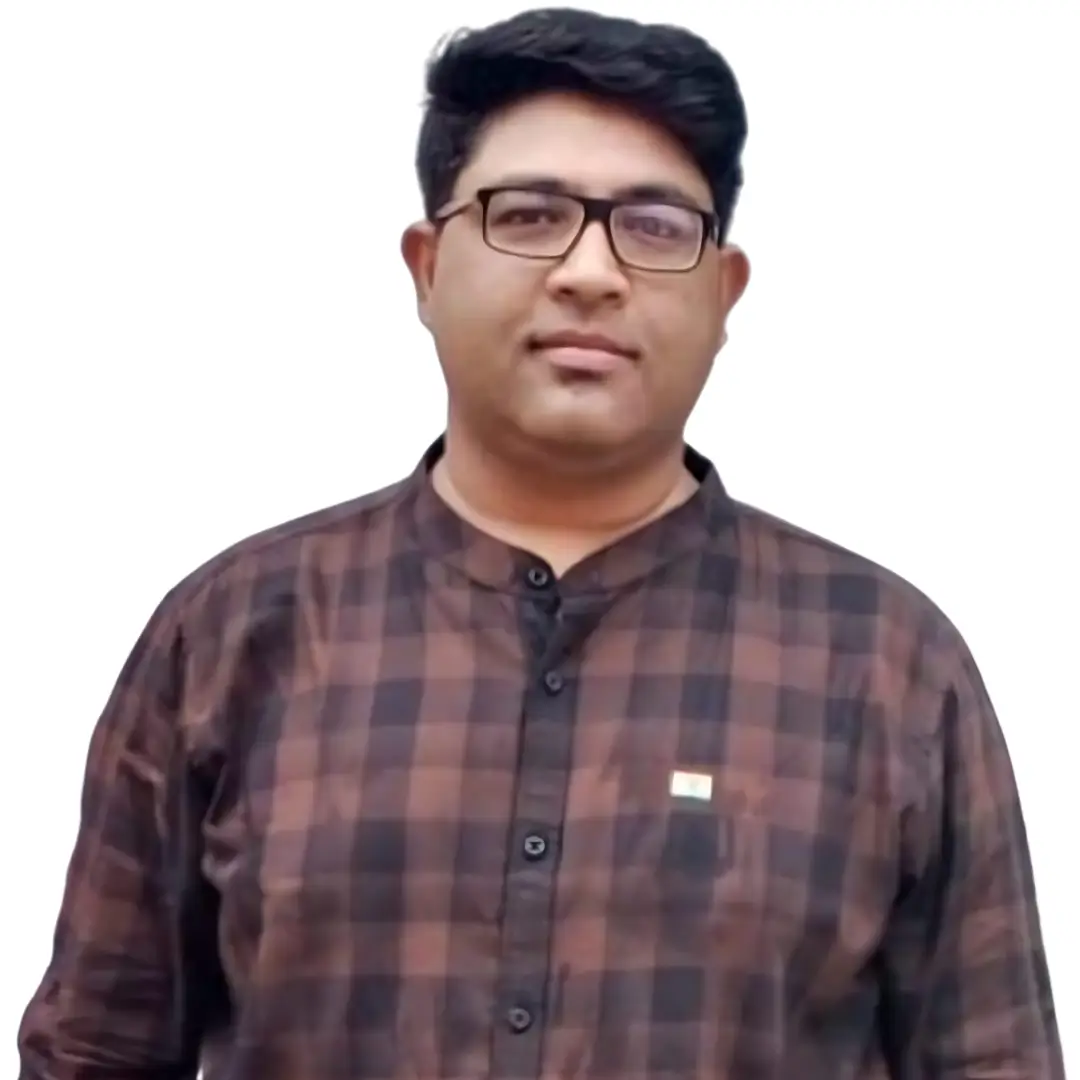 UKAPO · Rank 48
Selected as Assistant Prosecution Officer
“The Bare Act focus, PYQ discussions, mock tests and structured guidance gave me clear direction about what to study and how to revise for the examination.”
Watch Success StoryHear directly from Srishti Baniyal about her Judiciary preparation journey, interview strategy and experience with Doon Law Mentor.
These candidates also shared their experience of DLM’s legal guidance, interview preparation, motivation and personal mentoring.

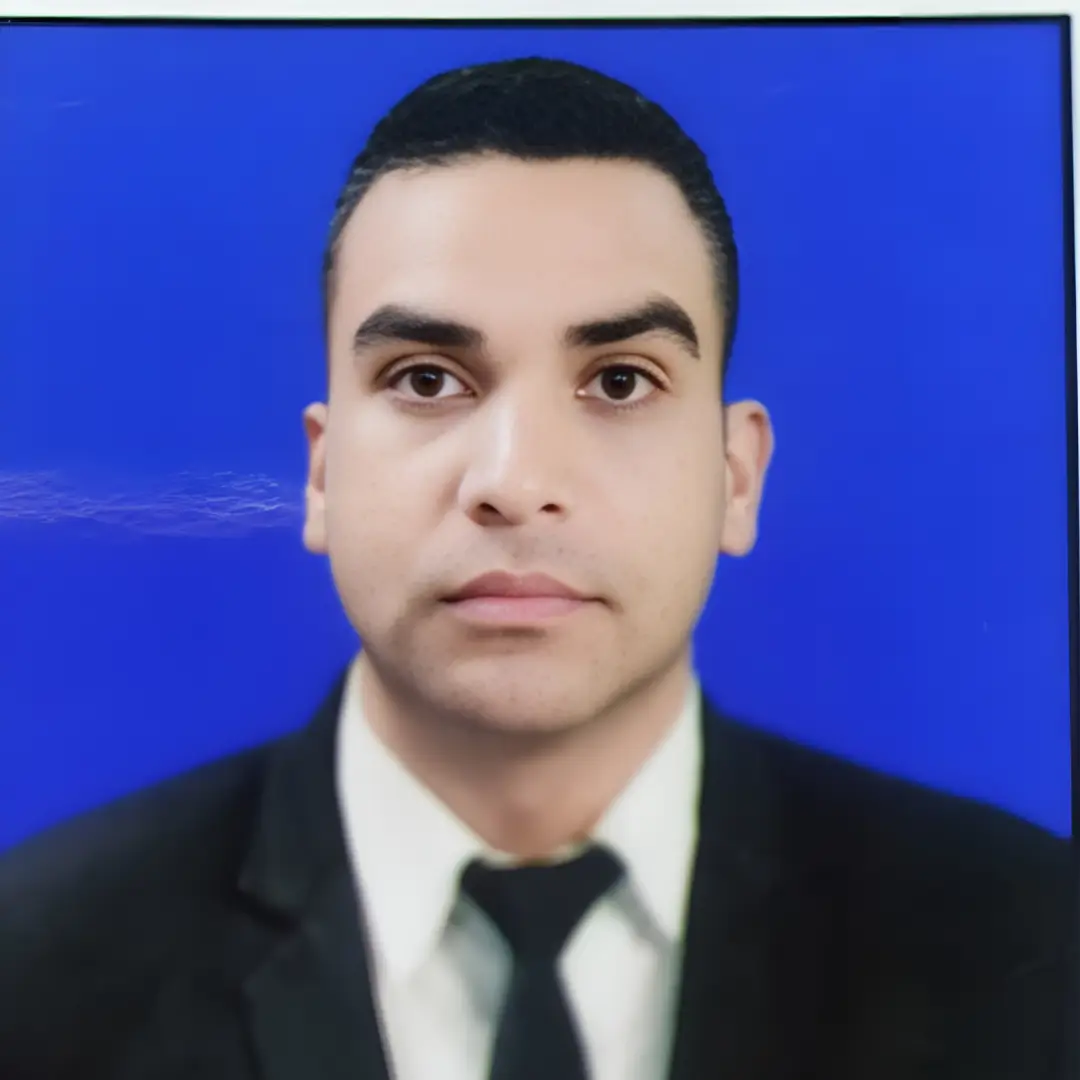
Nazia
APO Mains Qualified
“The interview guidance programme combined legal preparation with confidence-building, motivation and personal attention. Ashish Sir’s dedication helped candidates approach the interview with greater clarity.”
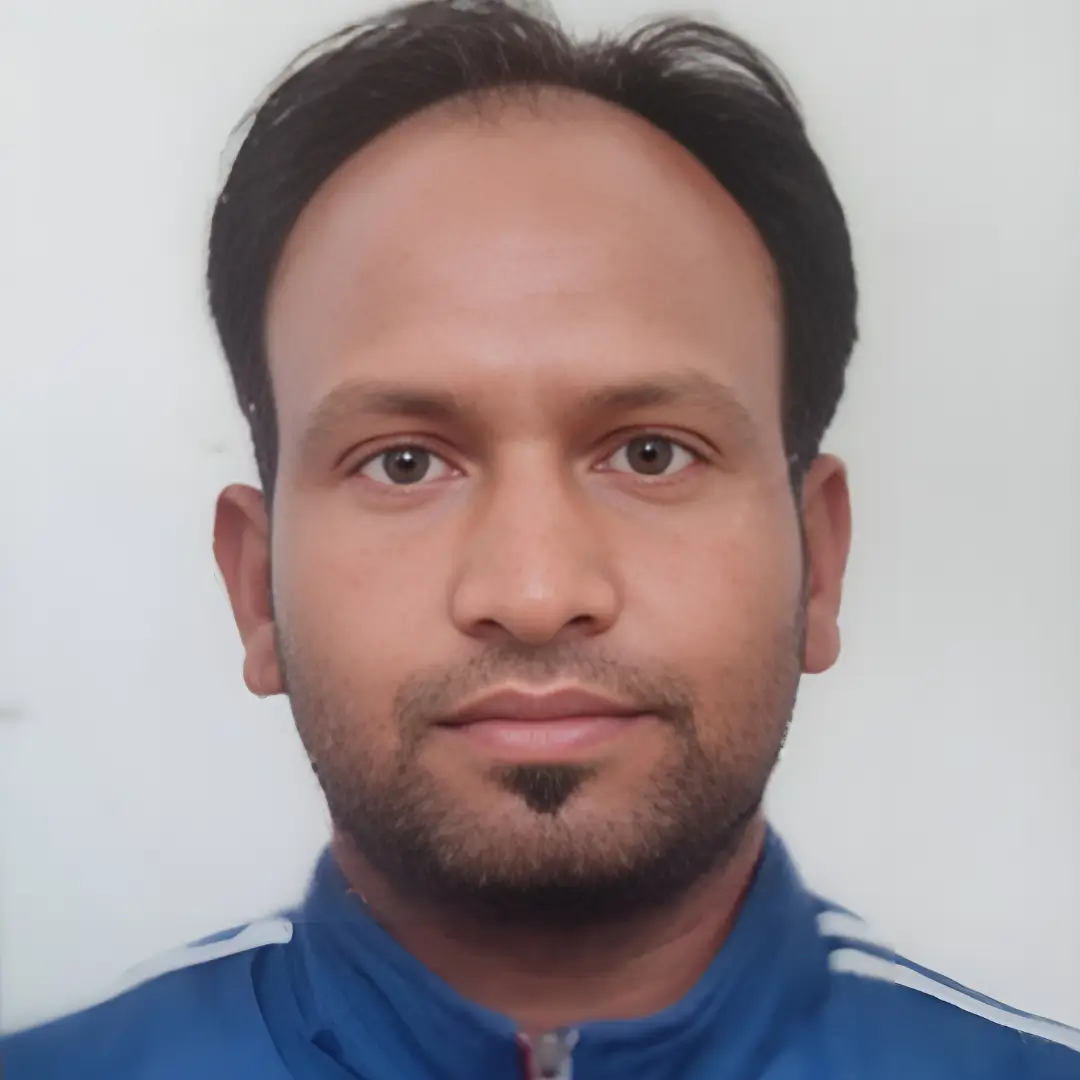
Sandeep Pant
APO Mains Qualified
“Doon Law Mentor made guidance accessible to aspirants in remote areas through online learning. The personal support I received during APO preparation and mock interviews was extremely useful for me.”
Rahul Singh
APO Mains Qualified
“Ashish Sir explains legal concepts and examination strategy in a clear, precise and motivating manner. Each session helped me remain focused and better prepared for the challenges of the examination.”
Choose the level of support that matches your stage — UP APO courses, test practice, or every APO programme available in DLM Academy.
Structured UP APO preparation for Prelims, Mains and Interview, built on BNS, BNSS, BSA, the U.P. Police Act and the 16 Other Laws.
Strengthen objective-law accuracy, speed and revision through DLM’s active test-series catalogue.
Explore state-wise APO, ADA, APP and ADPO programmes, combo courses and other prosecution-exam resources from DLM Academy.
The advantage is not simply more lectures. The preparation system has to connect the UPPSC scheme, Bare Acts, new criminal laws, Mains writing, local laws and final-stage interview preparation.
Preparation is mapped to the UPPSC scheme: one 150-mark Prelims, six Mains papers and the Interview.
Ashish Jain Sir brings long-form law-teaching and competitive-exam mentoring experience.
Concepts, Bare Acts, PYQs, MCQs and descriptive answers are prepared as one connected system.
The new criminal laws are taught with transition mapping rather than isolated section memorisation.
The U.P. Police Act and the 16 Other Laws of Mains Paper 6 get their own provision-wise revision track.
Live/recorded learning, notes, tests and enrolled resources remain accessible through the DLM digital ecosystem.
Reading builds knowledge. Testing shows whether that knowledge can be converted into marks under examination conditions.
Measure how much of the current syllabus can be recalled without notes and under time pressure.
Track correct attempts, avoidable errors and the effect of negative marking on your final score.
Develop a practical order of attempt for legal-current-affairs questions and Bare Act-based questions.
Identify statutes, chapters and recurring provisions that need deeper Bare Act revision.
Turn each mock into a targeted revision list instead of repeatedly revising the entire syllabus.
Build controlled attempts, elimination technique and decision-making discipline for an objective screening paper.
Use the currently available Judiciary and law test products for timed practice and performance tracking.
The Personality Test assesses suitability for prosecution work through legal clarity, personality, communication, judgment and awareness of the criminal-justice system.
| Particular | Details |
|---|---|
| Interview Marks | 50 Marks (Personality Test) |
| Purpose | Assessment of suitability, personality, legal understanding and balanced judgment for the post of Assistant Prosecution Officer |
| Role in Merit | Interview marks are added to Mains marks (500) for the final merit list of 550 marks |
| Documents | Original certificates are verified at the Interview stage |
| Preparation Focus | Personal profile, criminal law, the role of a prosecutor, recent judgments, Uttar Pradesh awareness and communication |
Paper 6 carries 100 marks of the 500-mark Mains and needs provision-wise revision of each Act.
Check every topic against BNS, BNSS and BSA instead of relying on pre-2024 material.
Build issue spotting, legal reasoning and writing speed while you prepare for Prelims.
Review wrong, guessed and slow questions and convert each finding into a specific revision task.
With one-third deducted for each wrong answer, attempt only the questions where you can eliminate options with reason.
It carries 15 Prelims questions, a block many aspirants leave unprepared.
The two language papers carry 150 marks with General Knowledge. Practise them every week.
It carries 50 of the 150 Prelims marks and 50 Mains marks. Build it daily.
With the High Court directions pending, the schedule can change. Check the official website regularly.
Plan short revision sheets and spaced repetition for every statute.
Use the hub for the complete 2026 preparation picture, then open the focused official or DLM resource that matches the topic you are studying.
LL.B. qualification, age limit, relaxations and the application fee in one place.
Open eligibility section →OfficialAdvertisements, notices and the application portal for the APO recruitment.
Open UPPSC website →Latest UpdatePrelims result quashed; revised result and fresh Mains directed.
Open latest update →PrelimsScience, current events, history, national movement, polity, economy and geography.
Open GK topics →PrelimsBNS, BNSS, BSA, the U.P. Police Act and the Constitution.
Open law topics →MainsHindi, English, General Knowledge and the three law papers.
Open Mains topics →Special LawsMains Paper 6 Acts with a preparation method.
Open Other Laws →VideosTopper discussion, stage-wise strategy and a BNS vs IPC teaching sample.
Open video section →InterviewProfile, prosecution practice questions and U.P. legal awareness.
Open interview section →Begin with the exam framework, assess your preparation through practice, and then choose structured guidance according to the support you need.
Free resources can help you assess your starting point before choosing a structured preparation programme.
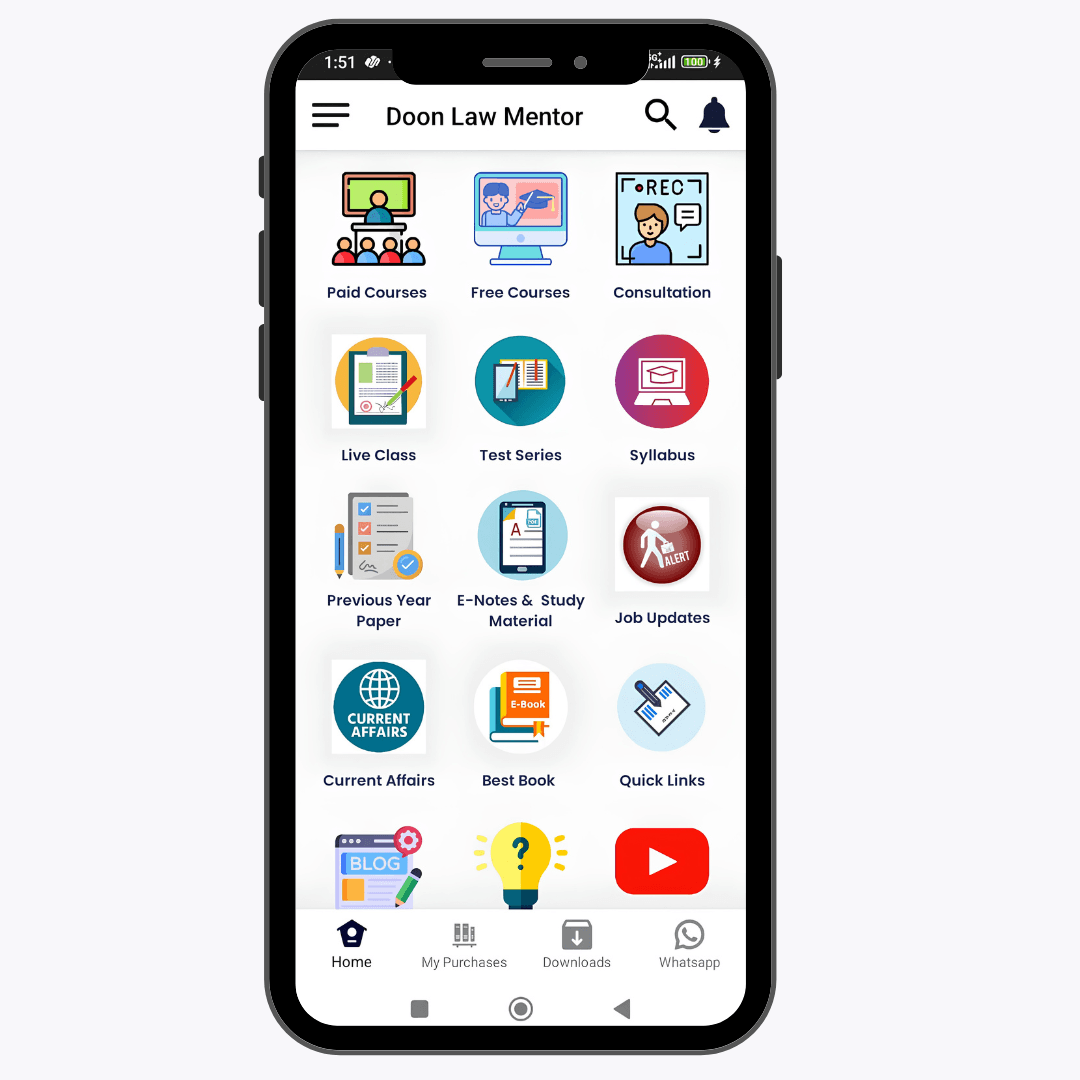
Use the Doon Law Mentor app for free learning resources and your enrolled classes, notes, tests and updates.


This is an independent exam-information and preparation resource by Doon Law Mentor and is not an official UPPSC or Government of Uttar Pradesh website. Recruitment dates, vacancies, eligibility, fees, reservations and examination instructions can change through advertisements, corrigenda or court orders. Candidates should verify the latest position from UPPSC, the Allahabad High Court and applicable official notifications.